Why Pet Cemeteries Matter
Pet cemeteries aren't what they used to be. They've evolved into something quite special — peaceful sanctuaries where people can honor their animal companions. These gardens offer more than just a place to say goodbye. They're thoughtfully designed spaces that invite reflection, quiet walks, and genuine remembrance.
What's changed most? Accessibility. Modern memorial gardens prioritize flat, well-maintained paths, plenty of seating, and shade. If you're looking for a contemplative walk that's easy on the body and nourishing for the spirit, you'll find it here. The setting itself becomes part of the healing.
What You'll Find There
Landscaped Gardens
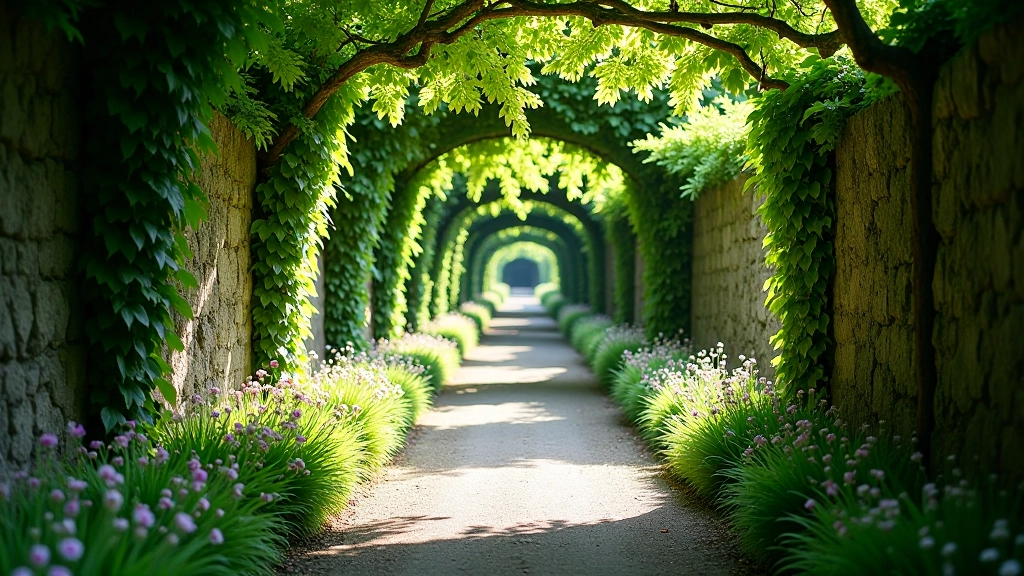
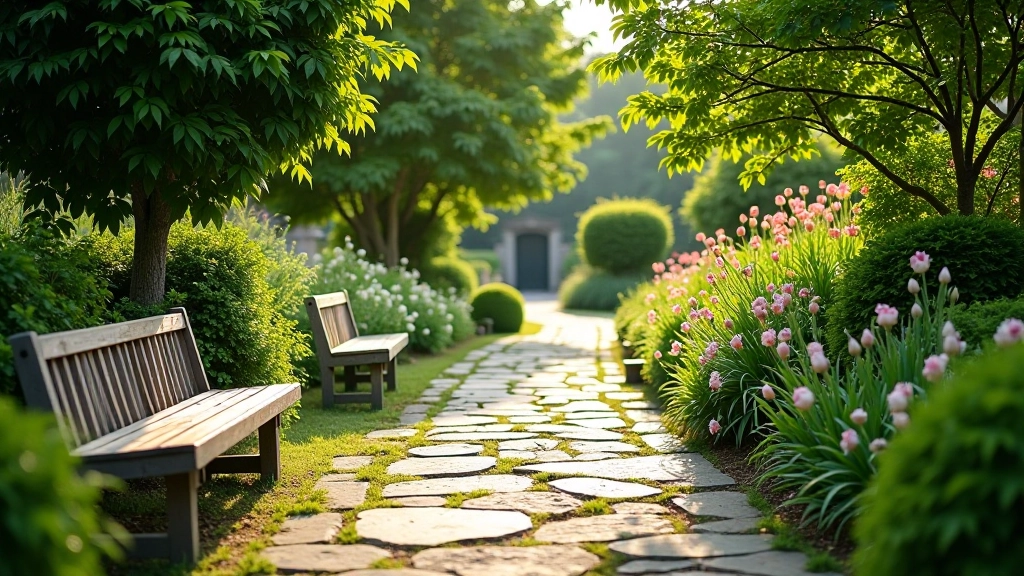
Native plantings, flowering borders, and mature trees create a beautiful, naturally shaded environment year-round.
Plenty of Seating
Benches are positioned throughout the grounds — in shaded alcoves, near memorial sections, and along the main pathways for rest.
Flat, Accessible Paths
Smooth surfaces throughout. No steep inclines, uneven terrain, or obstacles — designed for easy walking at any pace.
Tree Cover & Shade
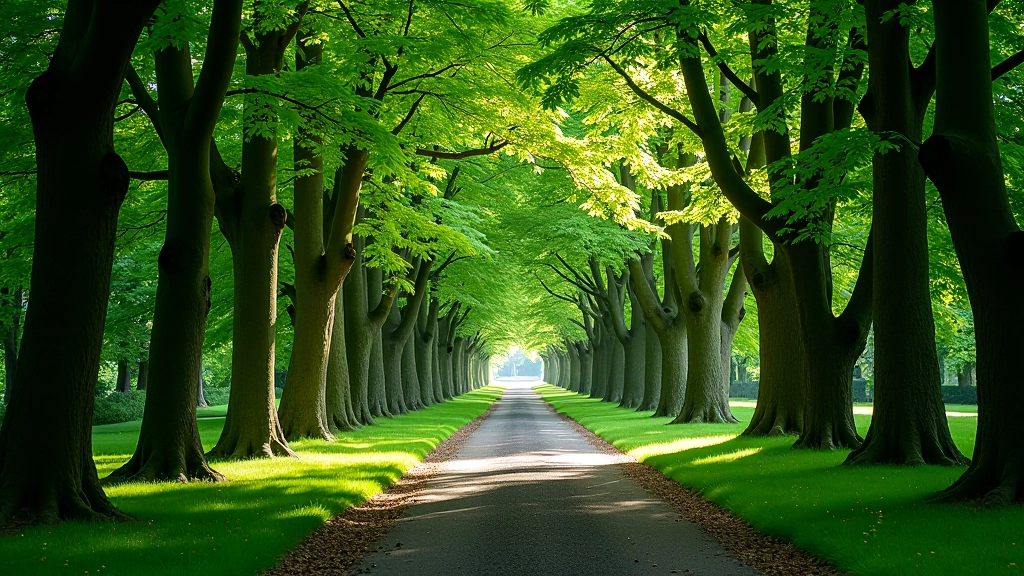
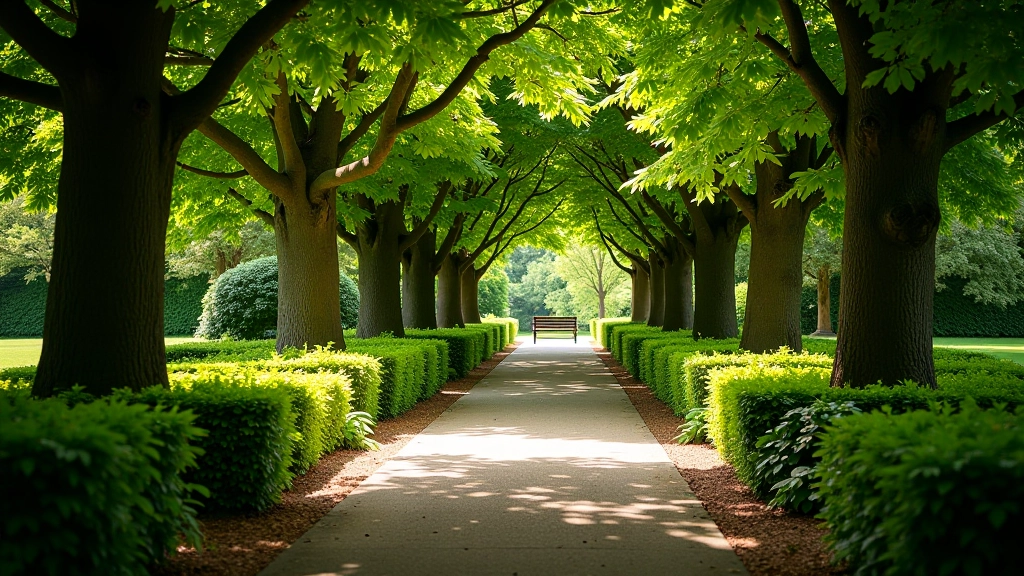
Mature oak, ash, and elm trees provide natural cooling. You won't be exposed to direct sun on most routes.
Water Features
Small ponds, fountains, and reflecting pools add a contemplative quality to the landscape.
Open Year-Round
These gardens welcome visitors in every season. Spring blooms, summer shade, autumn colors, winter stillness — each brings something different.
Planning Your Visit
Most pet cemetery gardens operate with extended hours — typically from dawn until dusk. That flexibility is wonderful. You can visit early morning when it's quietest, or late afternoon when the light softens. There's no rushing here.
Bring comfortable walking shoes with good grip. Paths are smooth, but if you're using a mobility aid, you'll want something stable underfoot. The average loop walk takes 20-30 minutes at a leisurely pace, though some people spend an hour just sitting on a bench, taking in the space. That's perfectly fine. That's actually the whole point.
Weather-wise? These gardens handle everything. Summer heat is manageable because of the tree cover. Rain doesn't ruin the experience — actually, the gardens look quite stunning after a gentle rain. If you're visiting in autumn or winter, dress warmly and bring a waterproof jacket. The quietness deepens in those seasons.
The Experience Itself
Walking through a pet cemetery garden feels different from other outdoor spaces. There's a contemplative quality built into the design. It's not busy or loud. Voices naturally lower. People move slowly. It's one of the few public spaces where that pace feels entirely right.
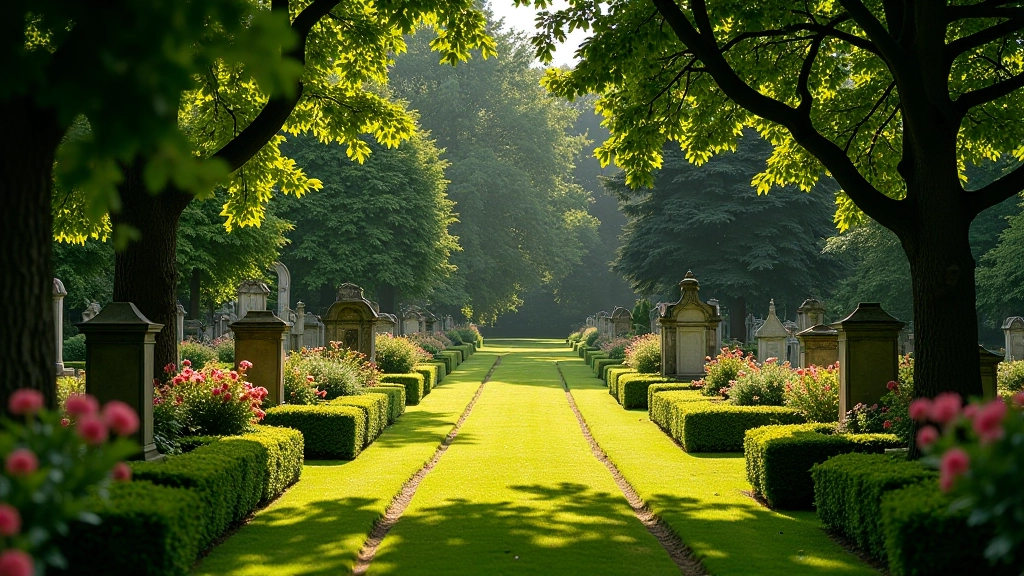
The memorial stones themselves tell stories. You'll see names carved alongside dates, sometimes a short phrase or symbol. A paw print. A favorite toy. People invest real thought in how they want to remember their companions.
Most gardens have a main pathway that loops through the grounds, with smaller branches leading to quieter sections. Some areas are designated for specific memorial types — a section for cats, another for dogs, sometimes separate spaces for rabbits, birds, or other animals. This organization creates natural waypoints for your walk. You're not aimlessly wandering. You're on a journey through a living memorial.
Staffing is minimal by design. A groundskeeper or two maintains the paths and plantings. There's no office atmosphere, no check-in desk, no formality. You arrive, you walk, you remember. That simplicity is healing.

Practical Considerations
Timing & Crowds
Weekday mornings are typically quieter. Weekends see more visitors, particularly Saturday afternoons. If you prefer solitude, go on a Tuesday or Wednesday morning. You're unlikely to encounter more than a handful of people.
Accessibility Features
Most pet cemeteries have accessible parking near the entrance, accessible restrooms, and wheelchair-friendly pathways. Call ahead to confirm specific amenities. Mobility scooters are generally welcome on the main paths.
What to Bring
Comfortable shoes, a light jacket, and water. Some people bring a notebook to jot down memorial inscriptions or reflections. A small photo of your pet is a nice thing to carry. Nothing is required — just come as you are.
Photography
Most gardens allow quiet photography. Be respectful — don't intrude on other visitors' private moments. Photographing memorial stones is generally fine, but ask yourself if that's honoring the space or just collecting images.
Seasonal Changes
Spring brings fresh plantings and new growth. Summer offers dense shade and lush greenery. Autumn displays incredible color. Winter reveals the garden's structural design. Each season offers something distinct worth experiencing.
Important Note
This article is informational, designed to help you understand what pet cemetery gardens are and what to expect when visiting. Individual gardens vary significantly in their layout, amenities, operating hours, and policies. We strongly recommend contacting your local pet cemetery directly before visiting to confirm current accessibility features, hours, and any visiting guidelines. This ensures your visit is smooth and respectful of the space and other visitors.
A Space for Remembering
Pet cemetery gardens aren't morbid or sad, even though grief brought them into being. They're actually quite the opposite. They're proof that love for animals matters. That those relationships were real. That remembering them in a beautiful, quiet place is something worth doing.
If you've lost a pet, you know that specific grief. It's different from other losses — sometimes people don't understand it. But walking through a garden where hundreds of other people have also memorialized their companions? That validates the grief. You're not alone in feeling that loss deeply.
These gardens are also wonderful for anyone who simply wants a peaceful walk in a meaningful place. You don't need a personal connection to a memorial to benefit from the tranquility. The flat paths, the shade, the thoughtful design — they're available to everyone. Come for the accessibility. Stay for the quiet.