Why Walled Gardens Matter
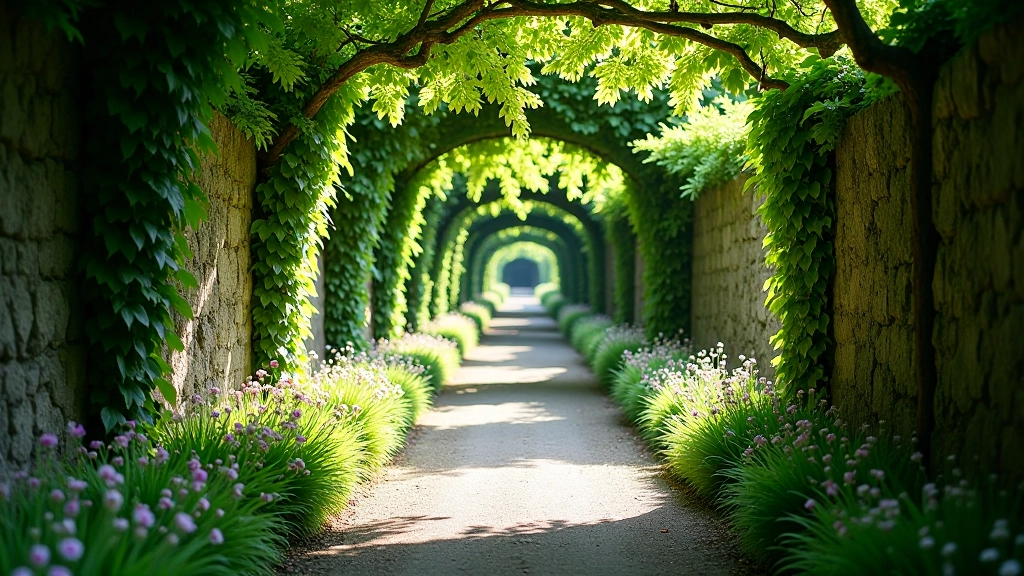
Ireland's walled gardens aren't just pretty spaces — they're living history. Built mostly between the 1700s and 1900s, these gardens were created as productive spaces where families grew food, flowers, and medicinal herbs. The high stone walls protected plants from Atlantic winds and created microclimates that made gardening possible in Ireland's challenging climate.
What's brilliant about them now? They've become some of the most accessible walking destinations on Irish estates. The walls provide shelter. The paths are mostly level. And there's something genuinely peaceful about moving through spaces where people have been gardening for centuries. You're not just walking through a garden — you're walking through time.
The Real Story: Many of these gardens were nearly lost to neglect after farming changed. Today, heritage organizations and private owners are bringing them back to life. That restoration means visitors like you can experience them properly.
Powerscourt Walled Garden (County Wicklow)
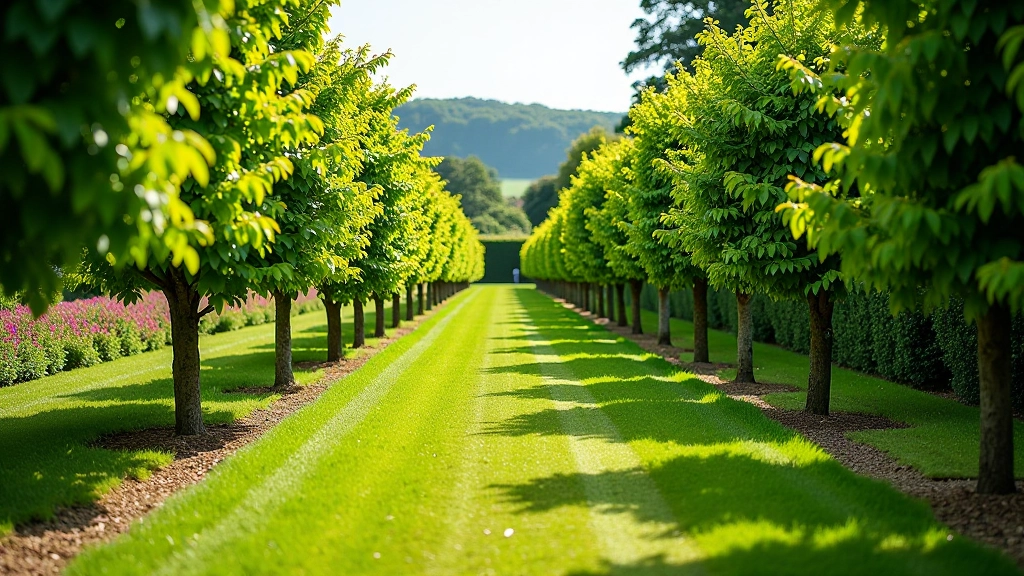
This is the one that hits you first. The scale alone — nearly 7 acres enclosed by massive stone walls — makes you stop and really look. The central path is lined with fruit trees, and you'll notice the old peach houses still standing. They're not just decorative; they were built to ripen fruit in Ireland's cool climate.
The restoration here's been meticulous. You can walk the full perimeter in about 45 minutes if you take your time. There's a café in the courtyard (you'll need it after the slopes leading up), and the paths are genuinely accessible. We found benches placed thoughtfully throughout — not crowded in one spot but spread where you'd naturally want to rest.
- Walk time: 45 minutes to 1 hour
- Terrain: Mostly flat with gentle slopes approaching
- Rest spots: 5+ benches throughout
- Best season: May to September
Huntington Castle Walled Garden (County Carlow)
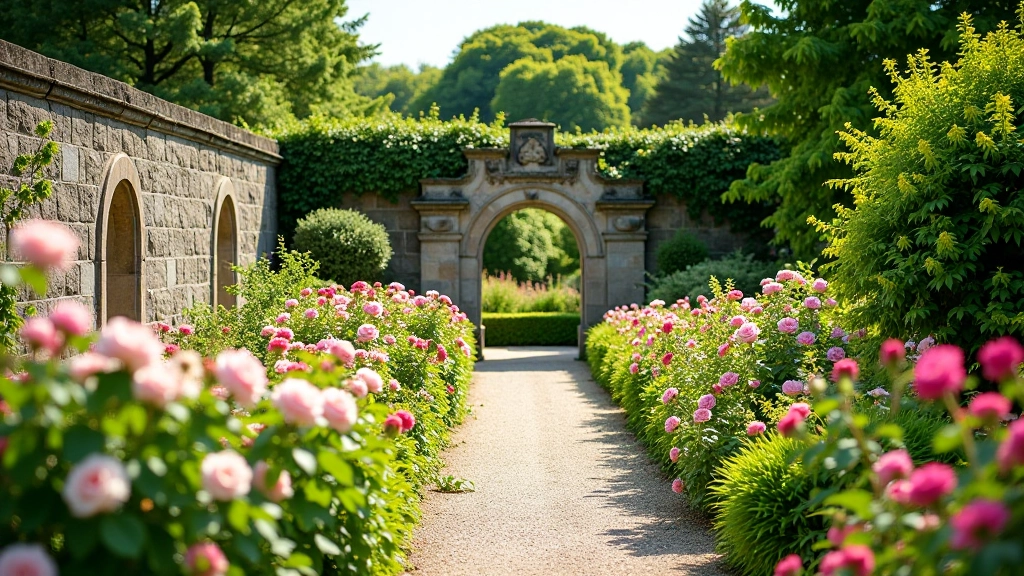
Huntington's smaller than Powerscourt — about 2 acres — but it's where you feel the garden's actual purpose. This isn't a manicured tourist space. It's a working heritage garden with old varieties of roses, fruit trees that've been here for decades, and raised beds where they're actively growing vegetables.
The walls are genuinely ancient. You'll notice different stonework styles as you walk, evidence of repairs and rebuilding over 300+ years. The atmosphere's quieter than other gardens. You're more likely to encounter a gardener working than crowds of tourists. That's not a complaint — it's exactly why it's worth visiting.
Access is straightforward, paths are well-maintained, and there's a small tea room just outside the garden. The walk takes about 30-40 minutes at a comfortable pace.
Five More Worth Walking
Lismore Castle Gardens
County Waterford
Terraced gardens descending toward the Blackwater River. The walled section's older than the castle itself — probably 1620s. It's steep in places, but the views make it worthwhile.
Kilmokea Country Manor
County Waterford
A working walled garden that's also a hotel and restaurant. You can walk the full perimeter, and yes, you can stay overnight if it becomes a longer visit. Genuinely peaceful.
Fernhill House & Gardens
County Dublin
Smaller than others but beautifully maintained. The walled section has heritage fruit trees and a good collection of old rose varieties. Close to Dublin if you're basing yourself there.
Ballymaloe Cookery School Gardens
County Cork
A functional kitchen garden that's been expanded thoughtfully. You'll see what heritage vegetables actually look like growing. It's educational without feeling like work.
Annes Grove Gardens
County Cork
The walls enclose 30+ acres. The woodland walk through the garden's exceptional. Spring visits are stunning with magnolias and rhododendrons in bloom.
Glenveagh Castle Gardens
County Donegal
The walled garden's tucked into a remote mountain setting. The access walk's worth doing for the landscape alone. The garden itself's intimate and beautifully planted.
Important Note: Garden opening times, accessibility features, and facilities change seasonally and occasionally without notice. Always check directly with each garden before planning your visit. Some gardens have specific visiting hours, may close for private events, or require advance booking. Walking conditions vary with weather — the ground can be muddy after rain, and paths may be slippery. Wear appropriate footwear and bring weather protection. This guide's based on our visits during 2025-2026, and conditions may differ from what we've described.
Planning Your Visits
Here's what we've learned walking these gardens: don't try to see everything in one trip. Pick one or two, give yourself time, and actually notice what's there. The walls, the old trees, the way light moves through the space at different times of day.
Best time to visit? Late spring through early autumn. That's May through September. The gardens are actively growing, the weather's most reliable, and you won't be walking in darkness. Avoid peak summer weeks (mid-July to mid-August) if you prefer quieter spaces.
Bring water, even if the garden has a café. Bring a hat if the sun's strong — there's shelter in some gardens, but not everywhere. Wear shoes with grip; these are historic paths, and some can be uneven or slippery after rain. And don't rush. These gardens were made for lingering.

The Takeaway
Ireland's walled gardens aren't just heritage sites — they're genuinely excellent places to walk. The walls shelter you from wind. The paths are usually accessible. The history is real, and it's everywhere around you. You're walking through spaces where people have been working, growing things, and living for centuries.
Pick one or two from this list, check opening times, and give yourself a morning or afternoon. Bring good shoes, bring water, and bring time to stop and look. That's really all you need. The gardens do the rest.