Why Shade Matters on Warm Days
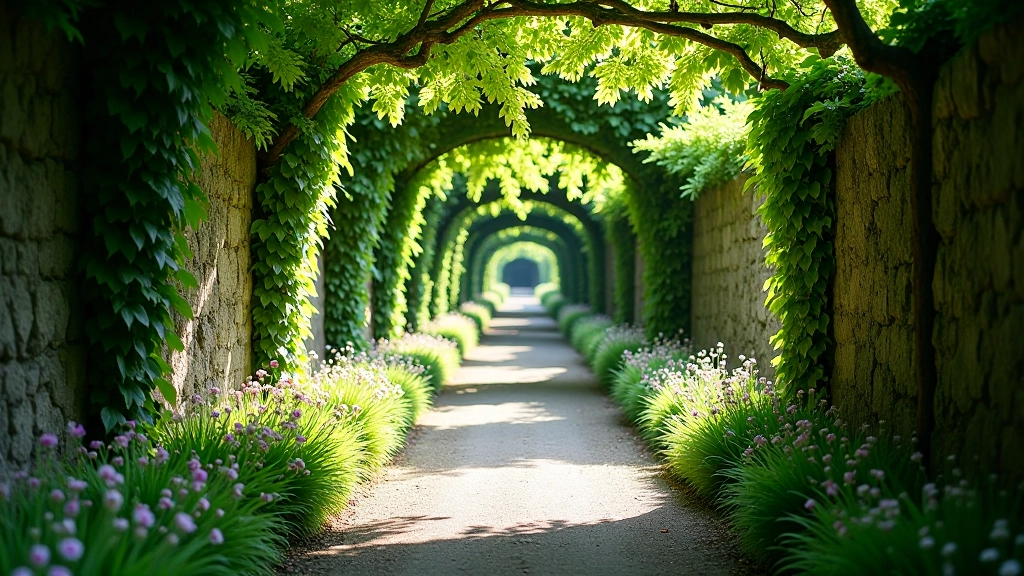
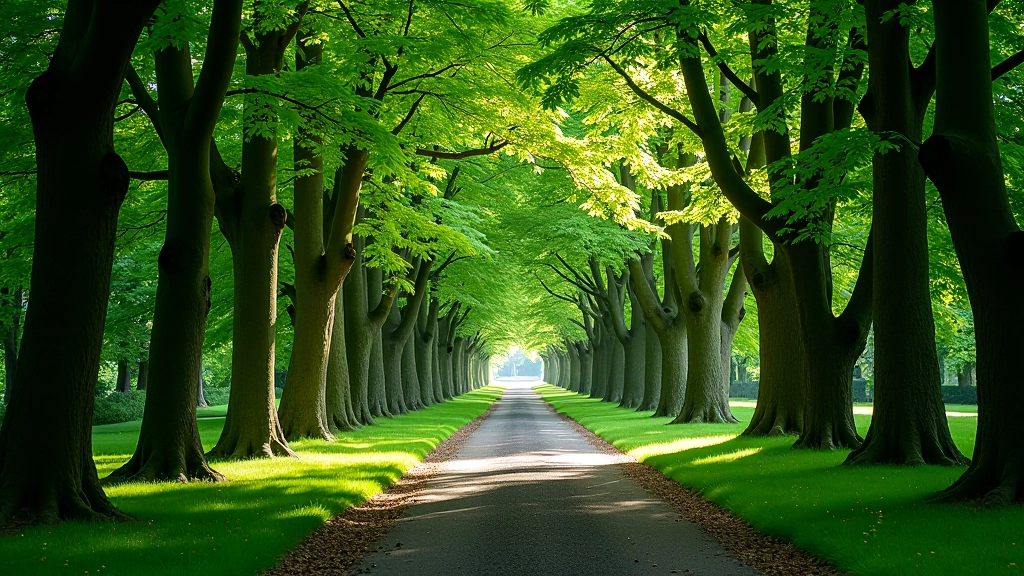
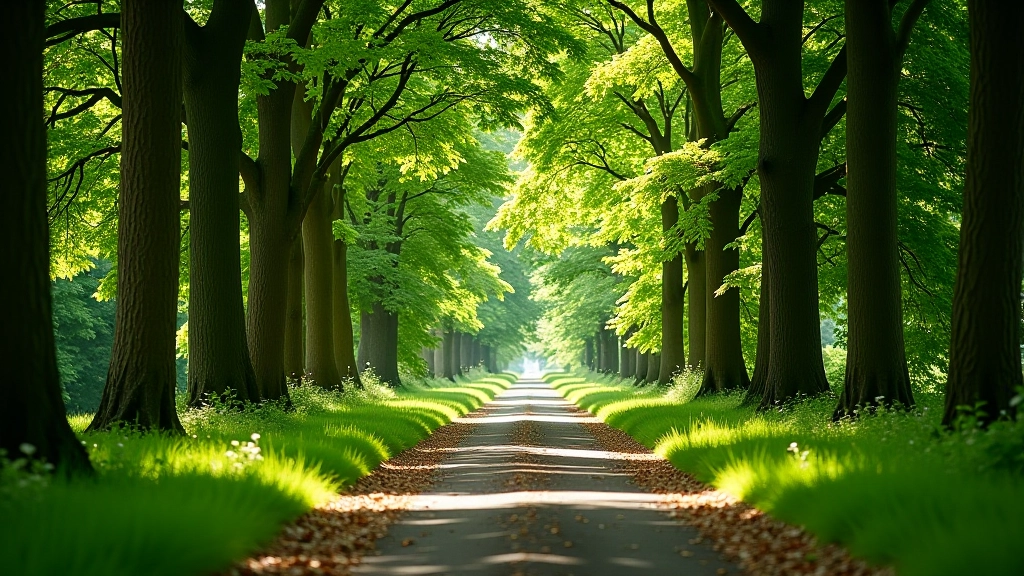
Summer strolls don't have to mean battling intense heat. The right path can make all the difference between an enjoyable walk and an exhausting ordeal. Shaded routes through woodlands, along tree-lined avenues, and beneath mature canopies keep temperatures down by 8-12 degrees compared to open paths. That's not just comfort—it's health.
We're not talking about gloomy forest trails here. The best shaded walks offer dappled sunlight, gentle cooling breezes, and the added bonus of seeing the woodland come alive in summer. Birds are more active in cooler temperatures. Plants thrive. And you'll actually enjoy the walk instead of just enduring it.
If you're planning summer strolls—especially if you're looking for accessible routes with good rest facilities—these shaded paths deliver what you need.
The Science of Shade and Temperature
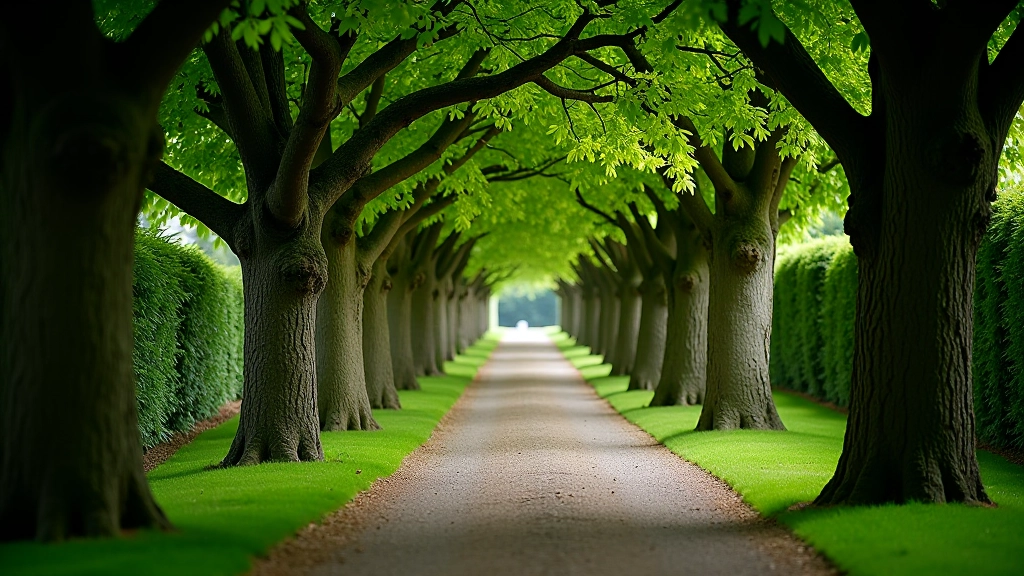
Here's what's actually happening beneath those trees. Dense foliage absorbs up to 80% of solar radiation before it reaches the ground. That means the air temperature underneath stays noticeably cooler, even on days when the open field next to the path is unbearable. Add a gentle breeze moving through the trees, and you've got natural air conditioning.
The best shaded paths have a mix of tree types—oak, beech, and ash provide the densest coverage. But here's the thing: you don't need ancient woodland to get this effect. Even a 20-year-old tree avenue can create enough shade for a comfortable summer walk. Plus, the psychological benefit is real. Walking under a green canopy feels restorative in a way that open paths don't.
What Makes a Path Summer-Friendly
Not all shaded paths are equal. The best ones combine several key features that make summer walking genuinely pleasant.
Dense Tree Cover
Continuous canopy overhead, not scattered trees. You want shade for the entire walk, not just occasional relief.
Water Access
Fountains, streams, or water stations along the route. Hydration matters, especially on longer walks.
Rest Benches
Strategically placed seating in shaded spots. You shouldn't have to push yourself to the limit on a summer stroll.
Good Surface
Even, well-maintained paths reduce effort. Gravel or tarmac beats uneven woodland tracks in summer heat.
Important Information
This article is informational and educational. Weather conditions, trail accessibility, and facilities change seasonally. Always check current conditions with the estate or park authority before visiting. If you have health concerns about summer walking—heat sensitivity, cardiovascular conditions, or mobility issues—consult with your healthcare provider before undertaking longer strolls. Bring water, wear sun protection, and take breaks as needed. Every person's comfort level with heat is different.
Planning Your Summer Route
The best time to scout a shaded path is actually in spring or early summer. That's when you can see how dense the leaf coverage is and identify the sunniest sections. Don't assume every "woodland path" on a map will deliver consistent shade—some forest tracks have gaps that let heat in.
Here's what we'd recommend: Start early. Most shaded paths are coolest before 11 a.m., when the sun is lower and hasn't had time to heat everything up. You'll also encounter fewer people, making the walk more peaceful. Bring a small backpack with water—at least 1-1.5 liters for a 90-minute walk. Wear light-colored, breathable clothing. And don't be embarrassed to sit down every 15-20 minutes if you need to. That's not weakness; that's smart planning.
Many estates now provide maps showing which routes have the most shade and where the water stations are. Download these before you go, or ask at the visitor center. You'll find the experience is completely different when you're not worried about finding the next bench or water fountain.

Water Stations and Rest Points
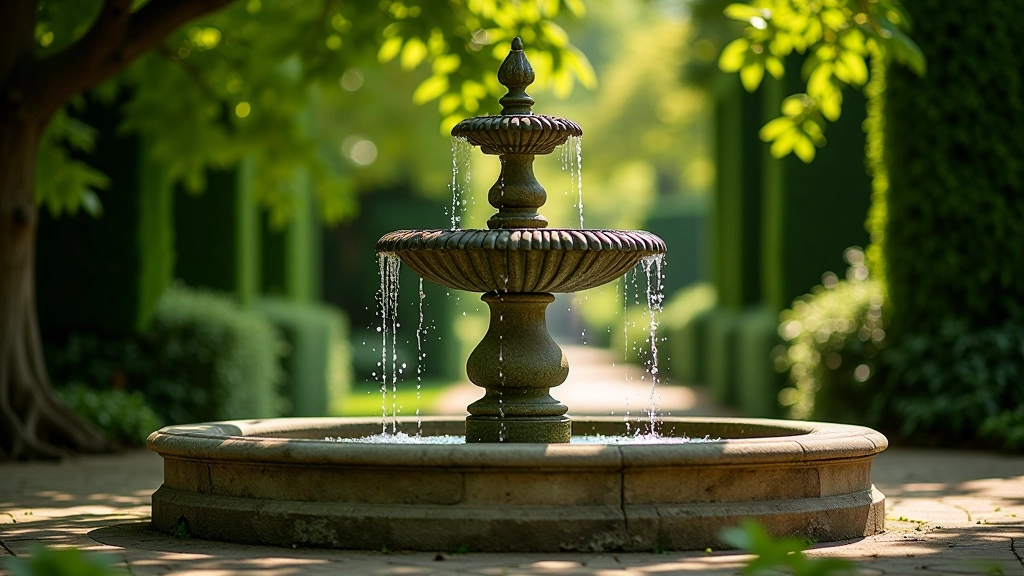
You'll notice we keep mentioning water. That's because it's non-negotiable. Even if you don't feel thirsty, you're losing fluids through perspiration—especially under tree cover where you might not realize how much you're sweating. Historic estates often have fountains positioned every 800-1200 meters along their main paths. These aren't always marked on basic maps, so asking locally is worth your time.
Rest points matter too. Sitting in a shaded spot for just 5 minutes gives your body time to regulate its core temperature. Your heart rate drops. Your breathing steadies. You're not tired; you just needed a pause. The best estates have benches positioned at natural viewing points—where you can actually see something worth looking at while you rest, not just stare at trees from an uncomfortable angle.
Making Summer Walks Work for You
Summer doesn't have to be walking's off-season. With the right shaded routes, proper planning, and realistic expectations about pace and breaks, you can enjoy beautiful strolls throughout the warmest months. The key is matching the path to your needs—not pushing yourself to match the path.
Start with shorter routes on established estate paths. These are designed for comfort, have facilities in place, and don't require navigation skills. Once you've found your rhythm, you can explore longer routes or discover new shaded options in your area. The beauty of woodland walking is that it's accessible at your own pace. There's no rush. There's just you, the shade, the gentle sound of leaves, and the knowledge that you're taking care of yourself while enjoying something genuinely lovely.
Don't wait for the perfect day. Most summer days are fine for shaded walking if you plan properly. Bring water. Wear the right clothes. Take breaks. And enjoy walks that don't leave you exhausted and overheated.